

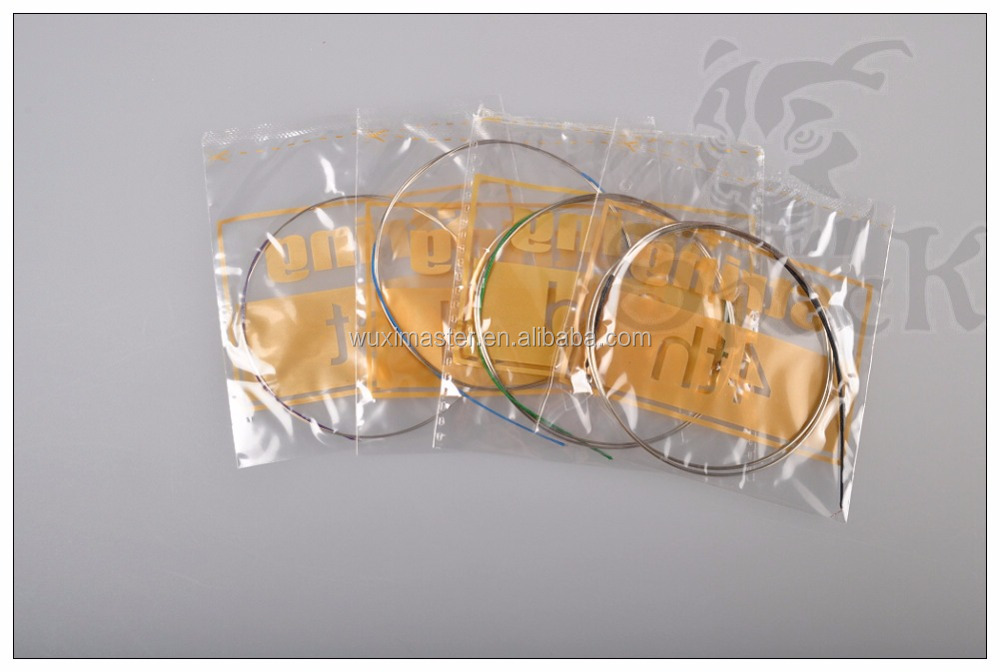
When choosing the best viola string for your instrument, focus on tonal quality, playability, durability, and compatibility with your playing style. For intermediate to advanced players seeking a warm, responsive sound, synthetic core strings like Thomastik-Infeld Dominant are often the top recommendation 1. Beginners may benefit from more affordable steel-core options, while soloists often prefer gut-core strings for their rich, complex tone. Understanding how core material, gauge, tension, and brand affect performance is essential to making the right choice—especially when balancing budget, musical genre, and maintenance needs. This guide covers everything you need to know about how to choose viola string sets that match your acoustic goals and playing environment.
About Viola Strings
Viola strings are the vibrating elements of the viola that produce sound when bowed or plucked. Unlike violin strings, viola strings are longer, thicker, and tuned lower—typically to C3, G3, D4, and A4. They are engineered to balance tension across the larger body of the viola, which has a deeper resonance and wider fingerboard than its violin counterpart. Because of these physical differences, viola strings must be specifically designed for violas; using violin strings will result in poor intonation, reduced volume, and potential damage to the instrument.
Each string consists of a core (made from gut, steel, or synthetic materials) wrapped with fine metal windings. The core determines much of the string’s flexibility, responsiveness, and tonal character, while the winding affects brightness, weight, and resistance to wear. Viola strings are used by students, professional musicians, orchestral players, chamber ensembles, and solo performers. Their primary function is not only to produce sound but also to respond accurately to bow pressure, vibrato, and dynamic shifts.
Why Viola Strings Are Gaining Popularity
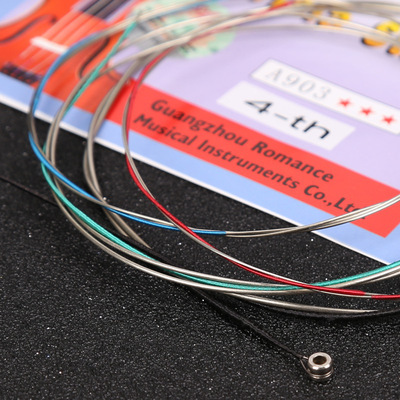
Interest in viola strings has grown alongside increased appreciation for the viola as a standalone instrument. Once considered secondary to the violin in classical settings, the viola is now celebrated for its mellow, expressive voice in contemporary music, film scores, and crossover genres. As more musicians take up the viola, demand for high-performance strings has risen. Additionally, advancements in string technology have made it easier to achieve consistent tone and tuning stability, even in challenging environments.
Players today seek strings that offer both projection and warmth—qualities essential for standing out in ensemble settings without sounding harsh. Online communities, YouTube reviews, and digital sheet music platforms have also empowered players to experiment with different brands and setups. As a result, understanding what to look for in a viola string has become a critical skill for anyone serious about improving their sound.
Types and Variants of Viola Strings
There are three main types of viola strings based on core construction: gut-core, steel-core, and synthetic-core. Each offers distinct advantages and trade-offs depending on the player's needs.
Gut-Core Strings
Gut-core strings are made from processed sheep intestines and are the oldest type of string. Favored by baroque and historically informed performers, they produce a rich, nuanced tone with exceptional depth and complexity. However, they are sensitive to humidity and temperature changes, require frequent tuning, and are generally more expensive.
- Pros: Warm, organic sound; excellent dynamic range; ideal for early music.
- Cons: Expensive; fragile; inconsistent performance in variable climates.
Steel-Core Strings
Steel-core strings use a solid or stranded steel wire as the core. These are the most durable and stable option, making them popular among beginners and outdoor performers. They produce a bright, focused sound with quick response but can lack warmth and feel stiff under the fingers.
- Pros: Long-lasting; resistant to environmental changes; affordable.
- Cons: Harsh tone if not well-matched; less dynamic expression; slower break-in time.
Synthetic-Core Strings
Synthetic-core strings, made from materials like nylon or perlon, aim to combine the warmth of gut with the stability of steel. Brands like Thomastik-Infeld Dominant, Larsen Viola, and Pirastro Evah Pirazzi fall into this category. They are widely regarded as the best all-around choice for most players due to their balanced tone, good projection, and moderate price.
- Pros: Stable tuning; warm yet clear sound; suitable for various genres.
- Cons: Can wear faster than steel; some models take days to stabilize.
Key Features and Specifications to Evaluate
When evaluating viola strings, consider the following technical and performance-based factors:
Core Material
As discussed, this defines the fundamental character of the string. Match the core type to your tonal preference and playing context.
Tension (Light, Medium, Heavy)
Tension affects how the string feels under the bow and fingers. Light tension offers easier playability and warmer tone but less volume. Heavy tension increases projection and brightness but may strain the instrument if overused. Medium tension is recommended for most players.
Gauge (String Thickness)
Gauge influences tension and contact with the fingerboard. Thicker gauges produce fuller sound but require more finger pressure. Ensure your bridge and nut slots accommodate the chosen gauge.
Winding Material
Nickel, silver, aluminum, and tungsten windings alter brightness and weight. Silver-wound C and G strings are common on violas for their warmth and density.
Boutique vs. Mass-Market Brands
Premium brands often use higher-grade materials and tighter quality control. While more expensive, they may offer better consistency and longevity.
Pros and Cons of Different Viola Strings
No single string type is ideal for every situation. Here’s a balanced assessment:
- Gut-core: Best for authenticity and tonal richness, but impractical for humid climates or frequent travel.
- Steel-core: Ideal for beginners or educational settings due to durability and low cost, but may limit artistic expression.
- Synthetic-core: Offers the best compromise for most players, though individual models vary significantly in performance.
Avoid gut strings if you play in air-conditioned halls or travel frequently. Avoid heavy-gauge steel strings on older or lightly built instruments, as they may cause structural stress.
How to Choose Viola Strings: A Step-by-Step Guide

Follow this decision-making process to select the right viola string:
- Assess Your Skill Level: Beginners should prioritize durability and ease of tuning. Intermediate and advanced players can explore tonal refinement.
- Define Your Sound Goal: Do you want warmth, brilliance, or balance? Listen to audio samples or consult player forums.
- Check Instrument Compatibility: Ensure the string length (full, 15”, 14”, fractional) matches your viola size. Confirm whether your tailpiece accommodates ball-end or loop-end strings.
- Consider Playing Environment: Humid or variable climates favor synthetic or steel cores. Stable indoor settings allow for gut experimentation.
- Test One String at a Time: Replace one string first (e.g., A-string) to evaluate tone and response before committing to a full set.
- Watch for Red Flags: Strings that won’t hold tune within a day, produce unwanted buzzing, or show visible defects upon installation should be returned.
Price & Market Insights
Viola strings range from $30 to over $150 per set. Here’s a breakdown:
- Budget ($30–$60): Steel-core sets (e.g., Jargar Original, Fiddlerman). Suitable for students.
- Midscale ($60–$100): Synthetic-core strings (e.g., Dominant, Prelude). Most popular for serious players.
- Premium ($100–$150+): High-end synthetics or gut strings (e.g., Larsen, Passione). Preferred by professionals.
While cheaper strings save money upfront, they may require more frequent replacement. Investing in mid-tier synthetic strings often provides the best long-term value. Be cautious of deeply discounted “generic” brands lacking traceable manufacturing standards.
| Brand & Model | Core Type | Price Range | Best For |
|---|---|---|---|
| Thomastik-Infeld Dominant | Synthetic | $70–$90 | Warm tone, reliable tuning |
| Larsen Viola | Synthetic | $110–$130 | Projection, clarity |
| Pirastro Evah Pirazzi | Synthetic | $100–$120 | Bright, modern sound |
| Jargar Original | Steel | $40–$50 | Durability, student use |
| Pirastro Passione | Gut | $140–$160 | Expressive, baroque music |
Top-Seller & Competitive Analysis
The Thomastik-Infeld Dominant remains one of the most widely used viola string sets due to its consistent performance and balanced tone. It breaks in relatively quickly and works well on a variety of instruments. Larsen Viola strings are favored by soloists for their powerful projection and clarity, especially in large concert halls. Pirastro Evah Pirazzi offers a brighter, more aggressive tone suited to modern repertoire and amplified settings.
When comparing top sellers, note that personal preference plays a major role. A string praised for brilliance may be criticized by another player for being too sharp. Always verify whether a model is available in medium tension—the most versatile option—and check if individual strings can be purchased separately for testing.
Customer Feedback Synthesis
Based on aggregated reviews from retailers and forums, here are common patterns:
Positive Feedback:
Players consistently praise synthetic-core strings for their tuning stability and warm tone. Many highlight the smooth bow response of Larsen and the affordability of Dominant. Users appreciate strings that maintain tone quality over several weeks.
Common Complaints:
Frequent issues include strings that go dead within two weeks, difficulty in breaking in (especially Evah Pirazzi), and inconsistencies between individual strings in a set. Some report that certain brands produce excessive finger noise or do not suit darker-toned violas.
Sourcing & Supplier Tips
Purchase viola strings from reputable music stores—both online and local. Well-known retailers like Shar Music, Amazon, and Thomastik’s official site provide authentic products with return policies 2. Local shops allow you to inspect packaging and get personalized advice. When buying in bulk (for teachers or orchestras), confirm shelf life and storage conditions. Avoid third-party sellers with no verifiable track record. Check for tamper-proof packaging and manufacturer holograms where applicable.
Maintenance, Safety & Legal Considerations
Proper maintenance extends string life. Wipe strings with a dry cloth after each use to remove rosin and oils. Rotate string usage if possible, and avoid extreme temperatures. Old strings can snap unexpectedly, posing a minor injury risk—inspect for fraying regularly.
No legal regulations govern string composition, but manufacturers must comply with general product safety laws. EU-based brands follow REACH guidelines for restricted substances 3. If you have metal allergies, check winding materials (e.g., nickel sensitivity).
Conclusion
Choosing the right viola string involves balancing tone, playability, durability, and cost. For most players, synthetic-core strings like Thomastik-Infeld Dominant or Larsen Viola offer the best combination of warmth, stability, and versatility. Beginners may start with steel-core strings for reliability, while advanced players exploring historical styles might consider gut-core options. Always test strings gradually, consider your instrument’s characteristics, and buy from trusted suppliers. By understanding how core type, tension, and brand influence performance, you can make an informed decision that enhances your musical expression.
FAQs
How often should I change my viola strings?
Every 6–12 months for regular players, or sooner if tone degrades or tuning becomes unstable.
Can I mix different brands of viola strings?
Yes, many players mix brands (e.g., Larsen C with Dominant A) to customize tone. Test one at a time.
Do viola strings come in different sizes?
Yes—full, 15-inch, 14-inch, and fractional sizes exist. Match to your viola’s body length.
Why won’t my new strings stay in tune?
New strings stretch during break-in. Stretch them manually and retune repeatedly over 1–3 days.
Are loop-end and ball-end strings interchangeable?
No—your tailpiece must match the end type. Adapters are available but may affect resonance.




 浙公网安备
33010002000092号
浙公网安备
33010002000092号 浙B2-20120091-4