 SportSurge
SportSurge
SportSurge

Rowing is a full-body cardiovascular exercise that improves endurance, strength, and mental focus while being low-impact on joints. It engages approximately 86% of the body’s major muscle groups, making it one of the most effective forms of functional training for both athletes and general fitness enthusiasts.
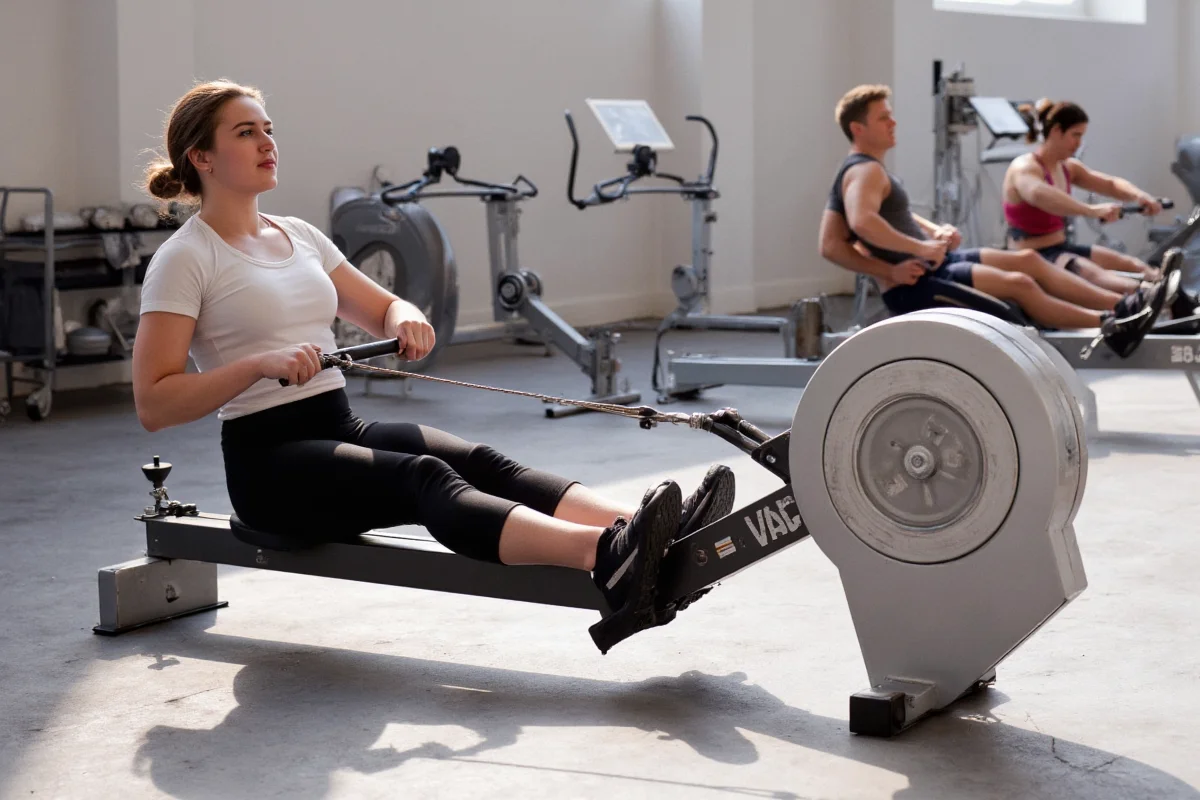
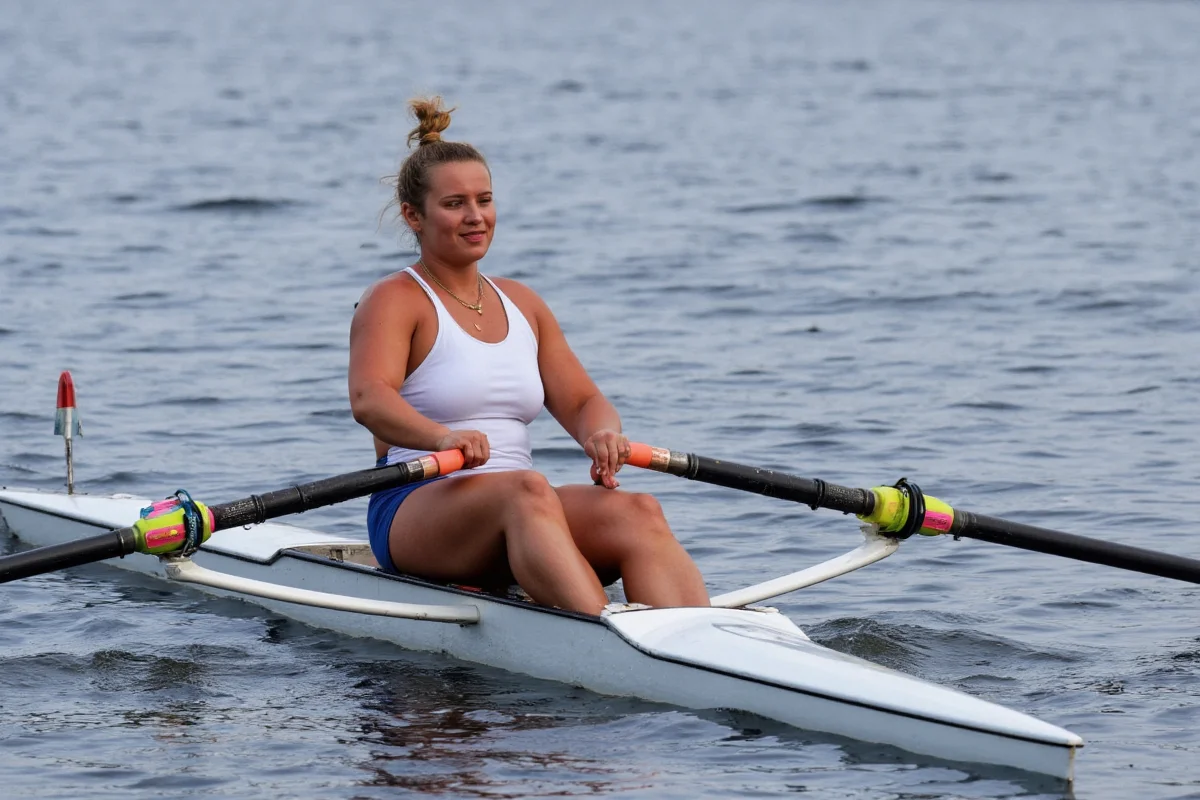
Rowing is a physical activity that involves propelling a boat using oars. It can be practiced recreationally, competitively, or as part of a fitness regimen on a rowing machine (ergometer). The motion mimics natural human movement patterns and combines aerobic and anaerobic elements.
The rowing stroke consists of four phases: catch, drive, finish, and recovery. Each phase activates different muscle groups in sequence, creating a smooth, rhythmic pattern that builds stamina and technique over time.
Different formats of rowing cater to various goals, from elite competition to home fitness.
Using machines like the Concept2 Model D, indoor rowing allows year-round training with measurable output. It's widely used by cross-training athletes, military personnel, and fitness programs such as CrossFit.
| Athlete Type | 500m Split Time (avg) | VO2 Max (mL/kg/min) | Training Volume (weekly) |
|---|---|---|---|
| Elite Male Rower | 1:28 | 75.2 | 120 km |
| Elite Female Rower | 1:36 | 68.4 | 100 km |
| Recreational Adult | 2:05 | 45.1 | 25 km |
| Beginner | 2:30 | 38.0 | 10 km |
Data shows elite rowers achieve significantly higher VO2 max levels and faster split times due to intense training volume. Recreational users still benefit greatly from moderate engagement, demonstrating scalability across fitness levels.
Poor form reduces efficiency and increases injury risk. Common errors include:
Proper coaching and video analysis help correct these issues early.
Yes, rowing burns between 400–800 calories per hour depending on intensity and body weight. Combined with proper nutrition, it supports sustainable fat loss while preserving lean muscle mass.
Absolutely. Rowing is low-impact and adjustable in resistance, making it ideal for beginners. Starting with short sessions (10–15 minutes) and focusing on technique ensures safe progression.
Yes, rowing provides resistance-based training that strengthens major muscle groups, especially when performed at higher intensities or longer durations. While not a replacement for weightlifting, it enhances muscular endurance.
For general fitness, rowing 3–5 times per week for 20–45 minutes is effective. Include variety—steady-state, intervals, and technique drills—to maximize results and prevent overuse injuries.
To begin indoor rowing, you only need a rowing machine and comfortable athletic clothing. For on-water rowing, access to a club or rental facility is required, including life jackets and appropriate footwear.






 浙公网安备
33010002000092号
浙公网安备
33010002000092号 浙B2-20120091-4