 SportSurge
SportSurge
SportSurge
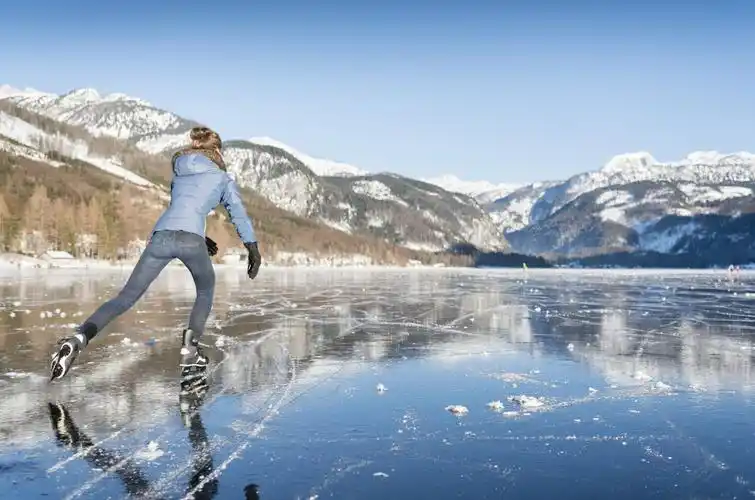
Ice skating is a winter sport and recreational activity where individuals glide on ice using skates, typically performed on frozen ponds, lakes, or indoor rinks. It serves as both a competitive sport—including figure skating, speed skating, and ice hockey—and a popular leisure pastime worldwide, especially during colder months.
Ice skating encompasses several distinct disciplines, each with unique techniques, equipment, and competitive formats. Understanding these types helps participants choose the right skates and training path.
Selecting appropriate skates enhances performance and reduces injury risk. The blade and boot design vary significantly across disciplines.
| Discipline | Boot Type | Blade Characteristics | Primary Use |
|---|---|---|---|
| Figure Skating | High, stiff boots | Toepick, long edges | Jumps, spins |
| Speed Skating | Low-cut boots | Long clap blades | Racing efficiency |
| Ice Hockey | Reinforced composite | Curved, short blade | Agility, stops |
| Recreational | Soft boot, comfort-focused | Short, stable blade | Beginner use |
The table illustrates how skate design aligns with functional demands: figure skates support complex maneuvers, while speed skates maximize stride length. Hockey skates prioritize ankle mobility and rapid directional changes.
Regular ice skating offers numerous physical and mental health advantages. As a low-impact aerobic exercise, it is accessible to many age groups and fitness levels.
A 155-pound person can burn approximately 200–350 calories per hour skating at moderate intensity, making it effective for weight management (3).
Ice skating's popularity varies by region, influenced by climate, infrastructure, and cultural traditions. Northern European countries and North America lead in participation due to widespread rinks and winter sports programs.
| Country | Participants (millions) | Notable Events | Indoor Rinks |
|---|---|---|---|
| United States | 8.9 | U.S. Figure Skating Championships | 276 |
| Canada | 3.2 | Skate Canada International | 189 |
| Germany | 2.1 | Eurovision of Sport | 124 |
| Russia | 4.7 | Russian National Championships | 153 |
| Japan | 3.8 | NHK Trophy | 102 |
Data shows the U.S. has the highest number of annual participants and indoor rinks, indicating strong infrastructure and public interest. Japan and Germany demonstrate growing enthusiasm, particularly in figure skating. The availability of indoor facilities enables year-round access, boosting consistent participation regardless of seasonal weather.
New skaters should follow key safety practices to prevent injuries and build confidence on the ice.
Children as young as 3–4 years old can begin recreational skating with proper supervision and equipment. Many skating schools offer 'learn-to-skate' programs starting at age 5, when balance and attention span are better developed.
Yes, most public rinks welcome beginners and provide skate rentals and introductory lessons. With basic instruction and practice, first-time skaters can gain confidence within a single session.
The most common method is the snowplow stop: turn your feet into a 'V' shape and press the inner edges of the blades into the ice. For advanced skaters, the T-stop or hockey stop are used depending on skate type.
When safety guidelines are followed, ice skating is relatively safe. Minor falls are common but serious injuries are rare. Wearing protective gear and skating in controlled environments significantly reduces risks.
Yes, outdoor rinks require temperatures below freezing to maintain safe ice conditions. Most close when temperatures rise above 0°C (32°F) for extended periods to prevent melting and unsafe surfaces.




 浙公网安备
33010002000092号
浙公网安备
33010002000092号 浙B2-20120091-4